Sustainability
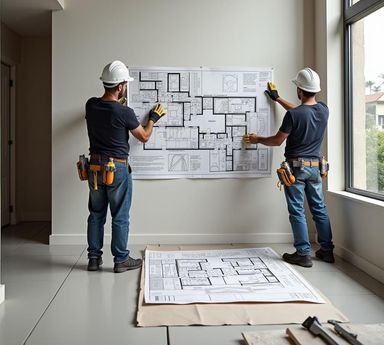
Environmental decisions are made in the drawings, early, where they are still cheap to change — not added at the end as a specification.
The greenest building is usually the one that is already standing.
The second greenest is the one nobody needs to rebuild in twenty years. Most of what follows is about those two sentences, applied at the point in a project where the answer still costs nothing to change.
Principles
Material responsibility
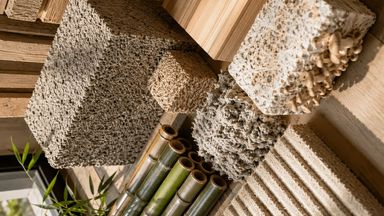
To align with SDG goals, we understand that every design decision matters -- starting with material selection. We champion Bengal’s vernacular materials—sourcing indigenous terracotta, locally woven bamboo, and stabilized earth. This honors local artisans while drastically reducing embodied carbon. Moreover, we guide our clients to select materials that are better for the environment; for example, bricks that are manufactured sustainably for their project.
Passive design
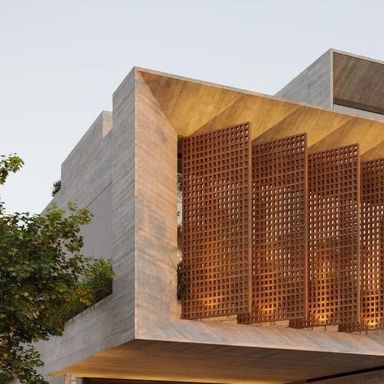
Inspired by the traditional uthan (courtyard), our architecture breathes. We maximize natural cross-ventilation and deep shading to provide elegant thermal respite from Bangladesh’s humid monsoons and hot summers. We named it "Uthan Design Studio" after this approach to sustainability.
Local context
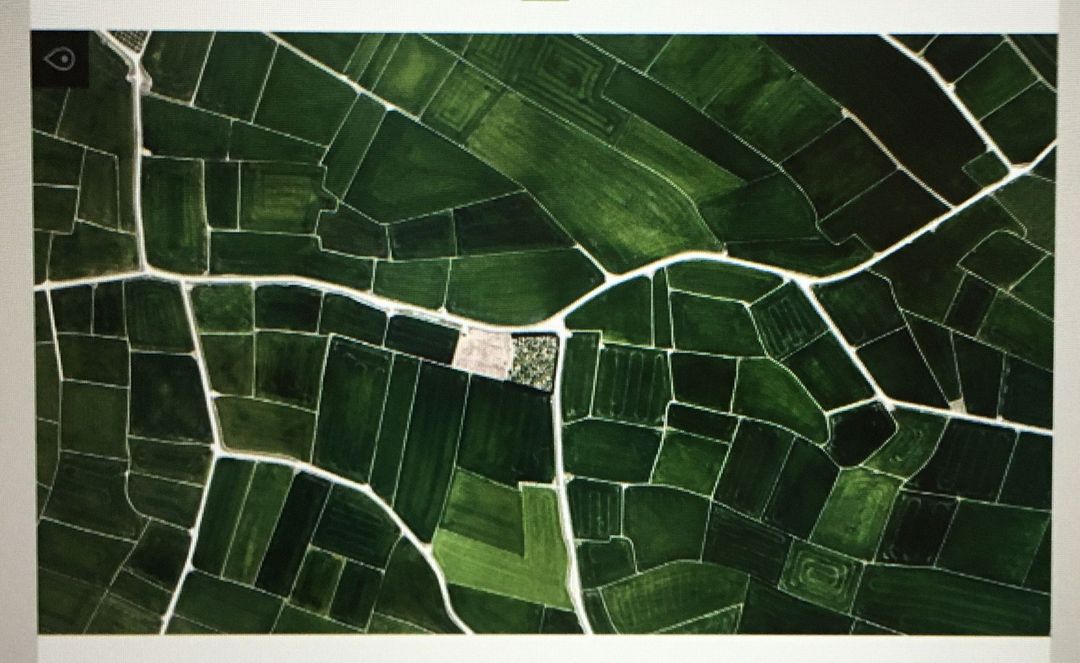
Architecture in Bangladesh is deeply intertwined with its deltaic geography and vibrant cultural rhythms. Our design philosophy is rooted in this unique landscape—a terrain shaped by heavy monsoons, shifting rivers, and the intense tropical sun. We draw profound inspiration from the traditional uthan (courtyard), which serves as the social and climatic heart of Bengali life, seamlessly blending indoor and outdoor realms. By honoring our rich heritage—from vernacular terracotta expressions to the legacy of tropical modernism—we create spaces that are climate-resilient and sustainable in the context of Bangladesh.
Energy
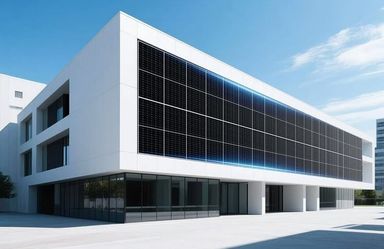
Harmonizing with our tropical climate, we rely on natural daylighting, wind & weather patterns, and strategic native landscaping for passive cooling. By seamlessly integrating solar infrastructure, we drastically reduce grid reliance—crafting resilient architecture that gives back to the environment.
Water
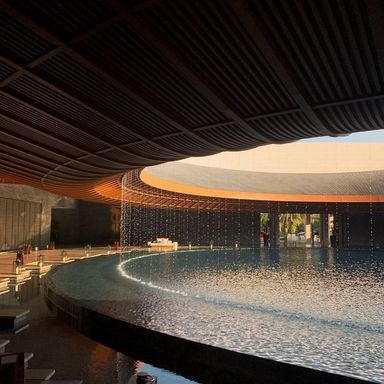
Water is a foundational natural element in our architectural narrative. From the ancient wisdom of Vastu Shastra and Feng Shui to modern paradigms of sustainability, its mindful integration holds paramount importance. In our deltaic landscape, we celebrate this dynamic resource through robust rainwater harvesting, greywater recycling, and permeable landscapes. By reimagining the traditional dighi (reservoir) as a natural cooling and ecological anchor, we try to create spaces that can replenish local aquifers, mitigate runoff, and foster a self-sustaining cycle that honors Bengal's climate.
Adaptive reuse
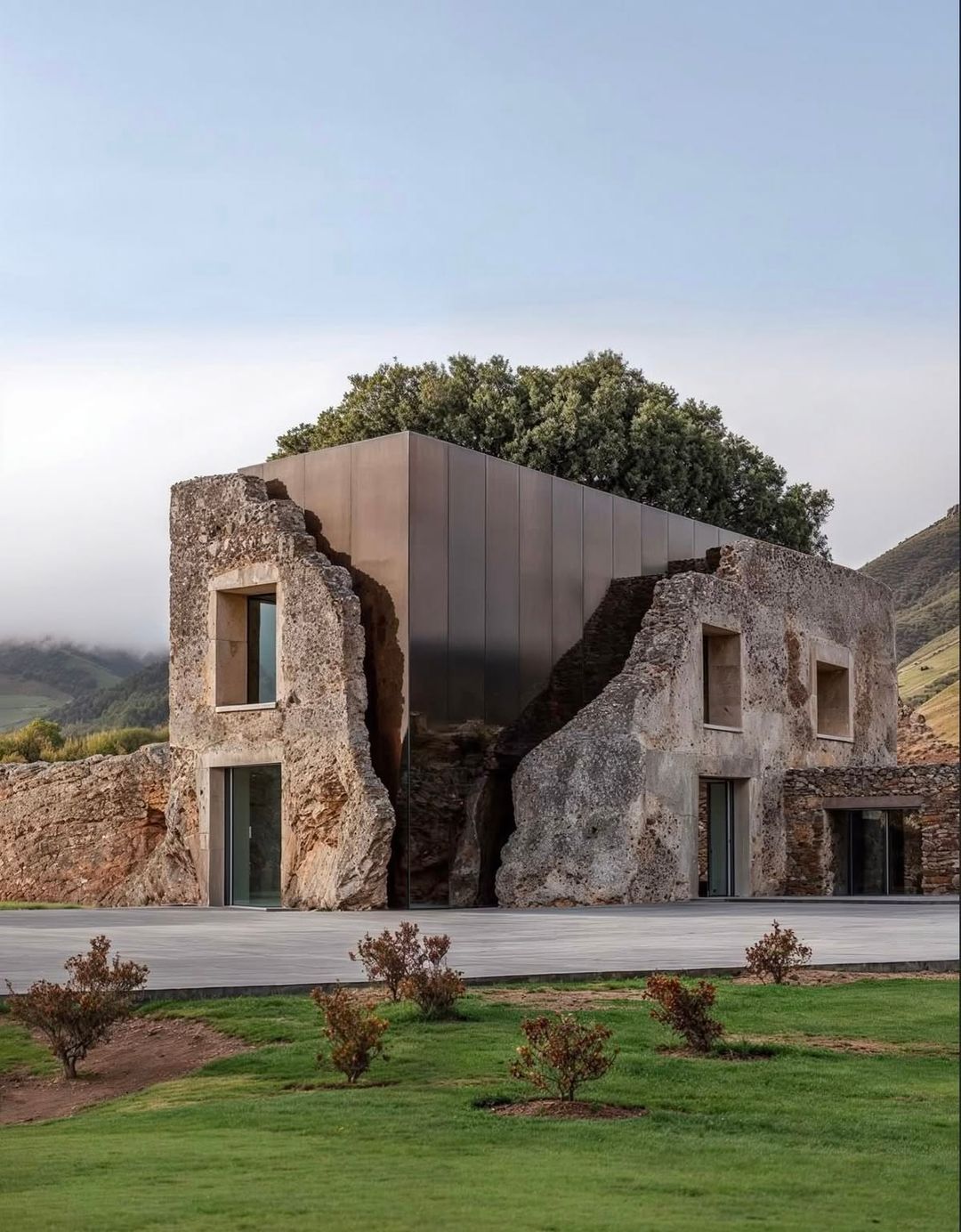
Architecture is not an act of permanent disruption, but a patient dialogue with time. The greenest building is the one that already stands—weathered by monsoon rains, grounded in collective memory, and embedded with quiet resilience. Rather than erasing the past, we practice the art of gentle reinvention. We peel back layers to honor historic masonry, breathe contemporary purpose into forgotten volumes, and design flexible frameworks that evolve organically across generations. By preserving embodied energy and honoring local craftsmanship, adaptive reuse transforms yesterday’s foundations into vessels for tomorrow’s life—celebrating continuity over obsolescence.
Responsible construction
Construction should never come at the expense of the neighborhood. We treat the building process with the same restraint and care as the architecture itself, focusing sharply on mitigating the everyday burdens of urban development. Our on-site protocols prioritize strict waste diversion, rigorous dust suppression, and active noise control. By reusing staging materials, sorting debris for recycling, and utilizing quiet, low-emission machinery during sensitive hours, we keep our operational footprint minimal. It is a quiet, disciplined methodology—one that protects air quality, respects the peace of neighboring residents, and leaves the surrounding environment clean and undisturbed throughout every phase of the build.